The symptom is always the same: the first two days of a trip are exciting, then, around the third or fourth day, a weariness sets in — sights start to blur, motivation dips, every movement feels like a chore. This is almost never about pure physical exhaustion. It’s the sign of an itinerary built without buffer, where each day has been packed to its absolute limit.
The “Might As Well” Trap
When planning a trip, the temptation is to add one more activity whenever there’s a free slot in the day — “Since we’re in the neighborhood, we might as well see this too.” Taken individually, each decision seems reasonable. Added up over five or six days, they create an itinerary with no downtime, where the trip becomes a series of movements rather than a lived experience.
A Genuine Free Half-Day is Worth More Than One Extra Sight
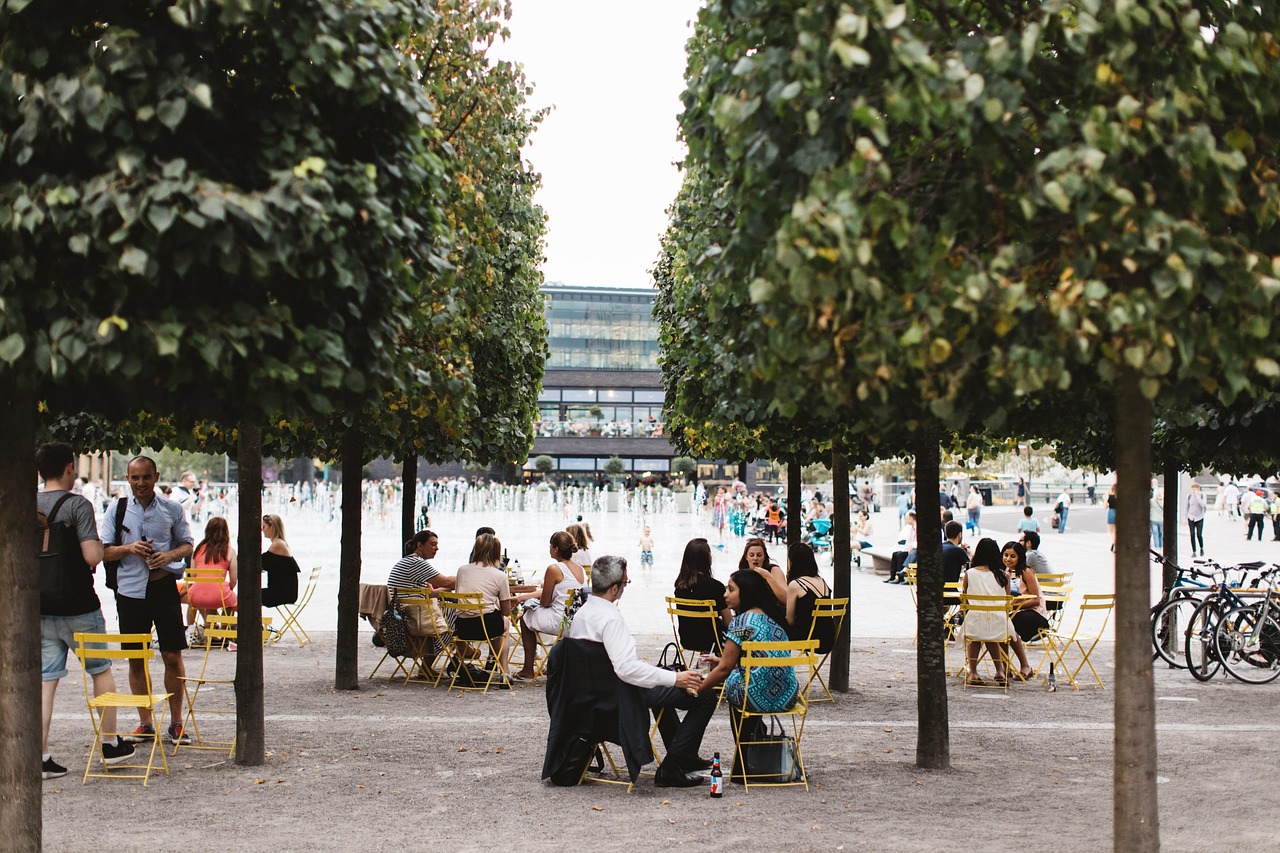
The most counter-intuitive, yet most effective, reflex: deliberately remove an activity from the itinerary and replace it with unstructured free time. This isn’t wasted time — it’s often during these unplanned moments that the best travel memories emerge: a cafe discovered by chance, a street wandered down for no particular reason. An itinerary filled 100% leaves no room for these moments, by design.
Group by Geographic Area, Not by Order of Preference
Much fatigue comes from an itinerary that crisscrosses the city in every direction from one day to the next, dictated by the order in which desires arose rather than actual geography. Grouping activities by neighborhood, dedicating a half-day to one area, significantly reduces cumulative travel time — and therefore fatigue — without sacrificing a single visit.
Consciously Accept Missing Out
The real source of tourist fatigue isn’t the number of kilometers walked; it’s the mental pressure of wanting to “do it all” in a limited time. Deciding consciously, before departure, what you choose not to see this time completely changes the on-the-ground experience: each kept activity becomes a genuine choice rather than a checkbox on a list of fifty.
The Right Metric Isn’t the Number of Sights Seen
At the end of a trip, the question that matters isn’t “how many things did we see?” but “when did we truly enjoy ourselves?” An itinerary designed to answer the second question, rather than the first, consistently produces better memories — even if it objectively checks fewer boxes.